Ceramic Coating vs PPF: Which One Do You Actually Need?
Ceramic coating and PPF get pitched as rivals, but they do different jobs. Here's what each protects against, what they cost, and when to buy one or both.
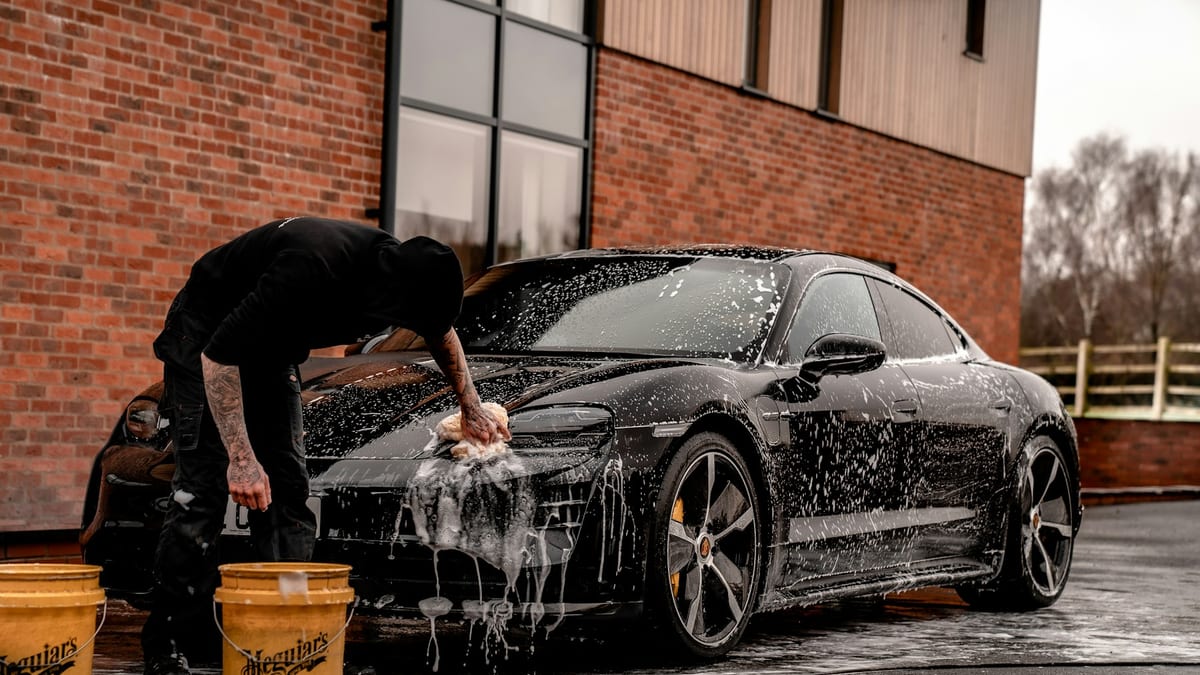
Walk into any detailing shop and you’ll hear ceramic coating and PPF pitched as if you have to choose one. You don’t, and treating them as rivals is how people end up buying the wrong thing. They protect against completely different threats.
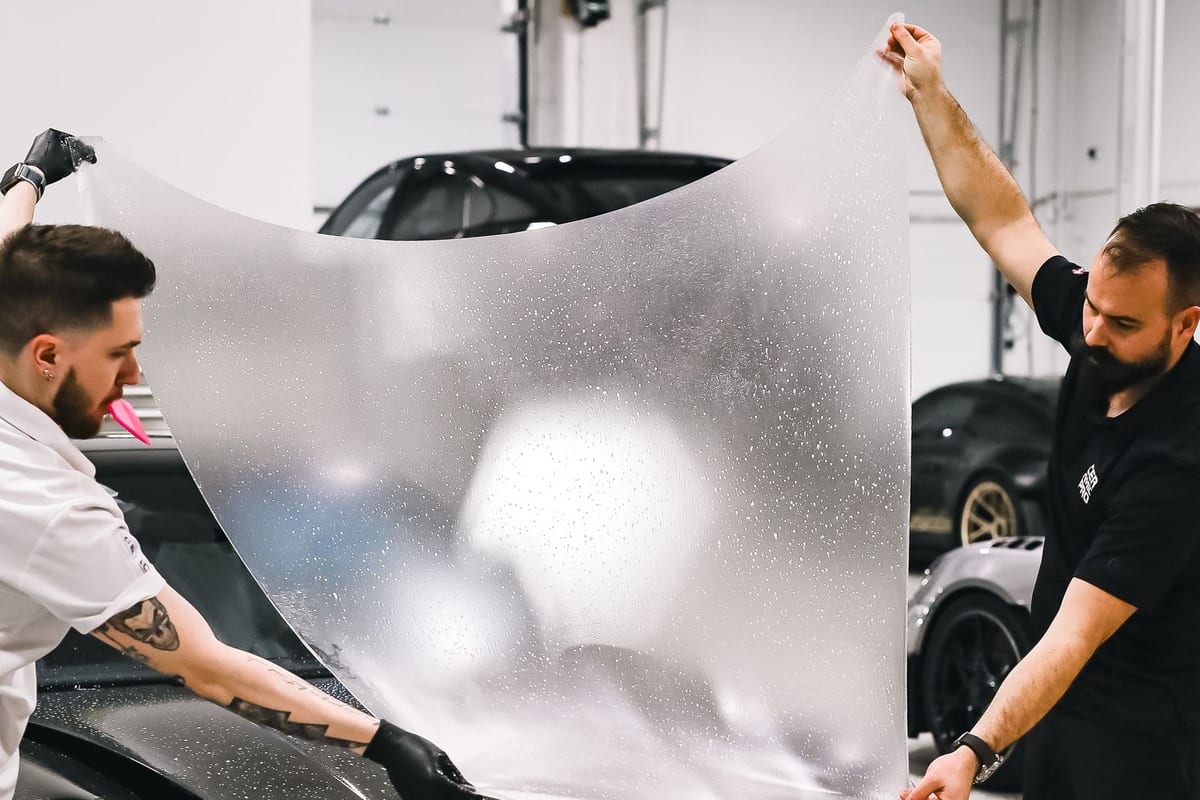
Paint protection film, PPF, or a “clear bra”, is a thick, clear urethane film cut to your panels. It physically absorbs rock chips, road debris, and light scratches, and the good stuff self-heals minor swirls with heat. It’s armor. If your hood and bumper are getting sandblasted on the highway, this is the only product here that stops it.
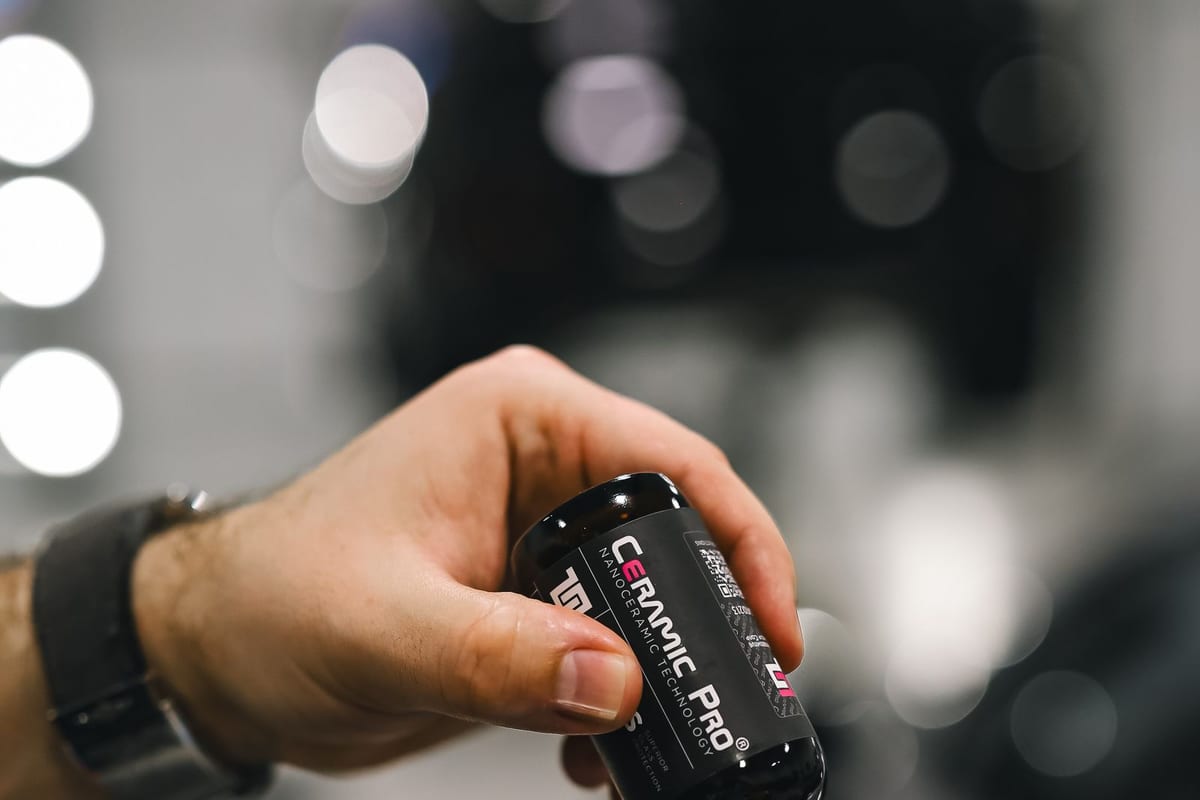
Ceramic coating is a thin liquid polymer that cures into a hard, slick layer on the paint. It makes water bead and sheet off, adds depth and gloss, blocks UV, and makes washing dramatically easier. What it does not do is stop a rock chip. A coating is a finish enhancer, not impact protection.
Side by side
| Ceramic coating | PPF (paint protection film) | |
|---|---|---|
| Stops rock chips | No | Yes |
| Adds gloss / depth | Yes | Slightly |
| Easier washing | Yes | Yes (more so if coated) |
| UV protection | Yes | Yes |
| Self-heals swirls | No | Yes (quality films) |
| Typical cost | ~$1,200–$2,800 full car | ~$1,500–$3,500 full front |
| Lifespan | 3–7+ years | 5–10 years |
That PPF number is for a full-front install, the common choice. Wrap the entire vehicle in film and the price climbs to $5,000–$8,000, well past anything a ceramic coating costs on its own.
The numbers behind “lasts longer” aren’t the same kind of number
Both products advertise big lifespans, and neither is lying, but they’re measuring completely different things. A ceramic coating’s headline spec is hardness: professional coatings commonly hit 9H on the pencil-hardness scale detailers use for scratch resistance, and the longest-lasting formulas, Gtechniq’s Crystal Serum Ultra is the well-known example, phase-separate into two layers as they cure, a flexible base that bonds to the paint and a harder top layer on top of it, which is how that specific product earns a rated lifespan of up to nine years against the 3-to-5-year range of a typical mid-tier coating. PPF’s headline number is a materials warranty, not a hardness rating, because film isn’t trying to resist a scratch, it’s trying to survive intact. XPEL’s Ultimate Plus, one of the most-installed films on the market, carries a 10-year warranty specifically against yellowing, cracking, blistering, and delamination, backed by an elastomeric top layer roughly 190 microns thick that physically reflows smooth when warmed by the sun or a wash. So a coating’s “9H, 5 years” and a film’s “10-year warranty” sound like they’re competing on the same axis. They aren’t: one is telling you what the surface resists, the other is telling you what the material survives.
So which do you buy?
If you’re protecting a new car you’ll keep, the smart split is PPF on the high-impact front end (bumper, hood, fenders, mirrors) and a ceramic coating over the rest of the car. The film takes the chips up front; the coating makes the whole car easier to live with. That’s why shops quote them together.
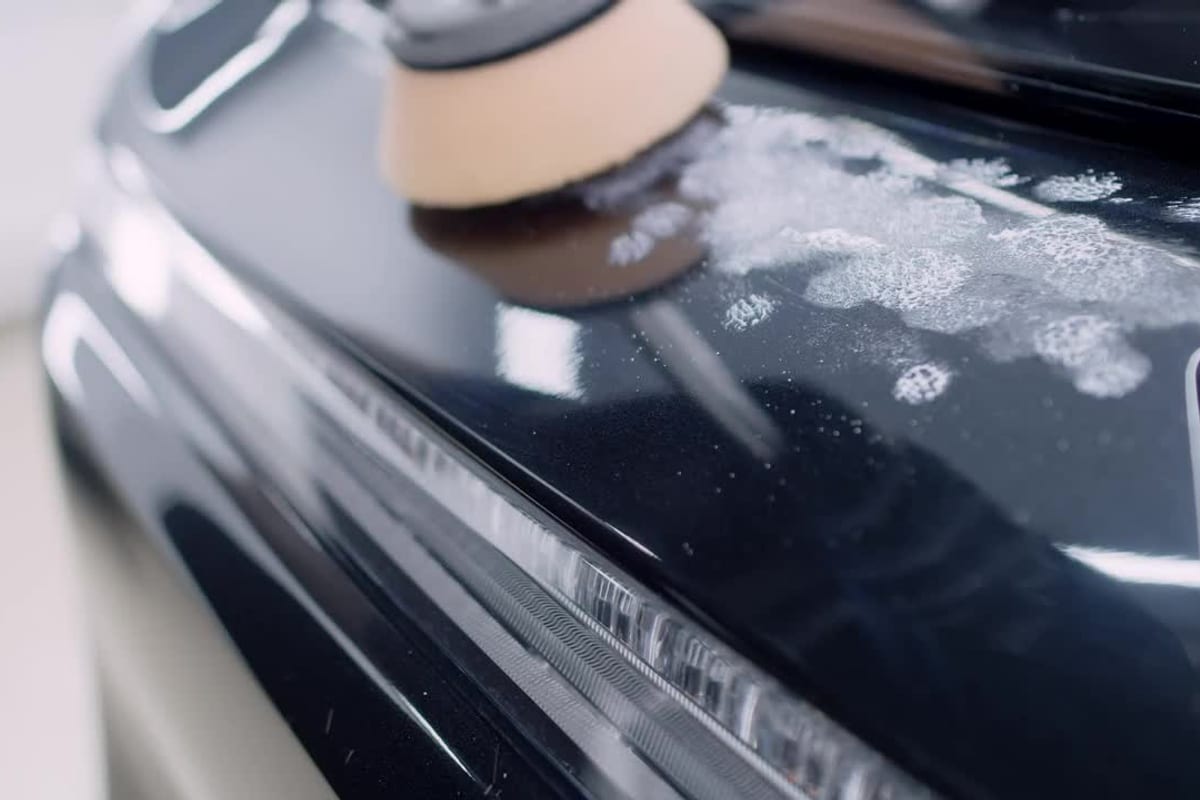
If your budget only covers one, decide by what bothers you. Highway commuter watching chips pile up on a dark hood? PPF, at least partial front. Want the car to look deep and stay clean with less effort, and you garage it away from debris? Ceramic coating.
Resale is part of that calculus too, though the two products help it in different ways. PPF protects the argument that matters most to a buyer inspecting a used car, chip-free original paint, and detailing-industry estimates commonly put chip-free factory paint at a real, if hard-to-pin-down, premium over a car with visible stone chips and touch-up paint. Ceramic coating doesn’t move that needle the same way since it’s invisible in a listing photo and doesn’t survive an inspection the way intact paint does, its resale case is really “the car looks better in every photo you take of it,” which sells faster even if it doesn’t add a specific dollar figure. Neither product replaces keeping your paperwork: hang onto the install receipt for either one, a documented PPF or coating job is a real, verifiable line item on a listing, not just a claim.
And you can absolutely stack them: ceramic coating goes right over PPF and makes the film slicker, easier to clean, and more resistant to staining. It’s not either/or.
Run the numbers for your own vehicle before you decide: price a ceramic coating and price PPF for your car and tier, then compare what each actually costs you. If chips are the worry, also look at whether a partial front PPF covers enough for less. The right answer is whatever protects against the thing you actually care about.