Vinyl Wrap cost · reviewed July 2026
Vinyl Wrap Cost (2026): Car Wrap Prices by Coverage
A full vinyl wrap costs about $2,000–$6,000 in 2026 depending on vehicle and finish. Price a partial, full, or premium wrap and weigh DIY vs a pro install.
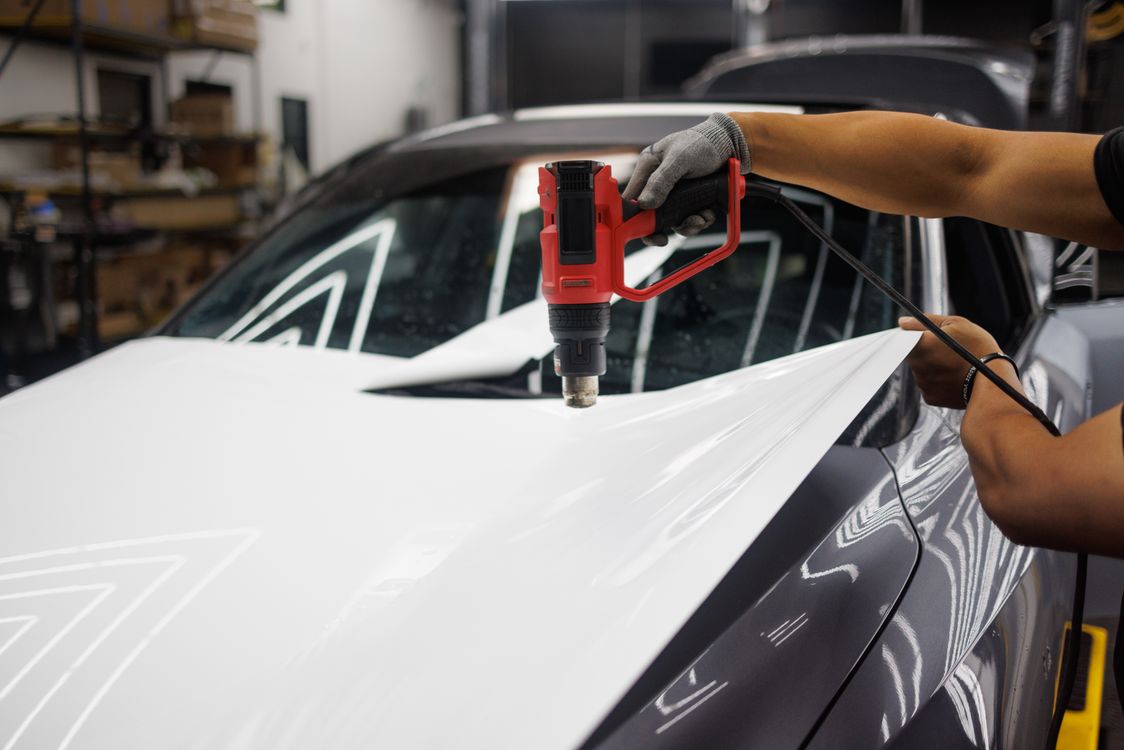
Jump to the calculatorHeat is what makes a wrap possible: it softens the vinyl so it stretches around curves without wrinkling or lifting. Photo: Pexels.
Estimate your vinyl wrap cost
Pick your vehicle and tier. The estimate updates as you go. No email, no quote form.
Estimated vinyl wrap cost
– –
Most pay around – for a full wrap.
How this estimate is built
Pro install, parts + labor. Costs reviewed July 2026. Your real quote will vary by shop and vehicle.
Vinyl wrapping covers your factory paint in a printed or colored film, a reversible color change that protects the paint underneath and peels off when you’re done. That’s the real pitch: a new look you can undo at resale, plus finishes paint can’t easily do, like matte, satin, and color-shift. What it isn’t is a cheap way to freshen a tired car. A quality full wrap costs about what serious paint correction plus a ceramic coating would.
Price starts with coverage and finish. A partial wrap, a blacked-out hood, a contrast roof, mirror caps, is a few hundred to a thousand dollars. A full color change in standard gloss or satin is the core of the market. Specialty films like color-shift, chrome, and carbon fiber cost the most, both in material and in the extra install time they demand. Bigger and curvier vehicles need more film and more labor, so a truck or three-row SUV runs well above a compact sedan.
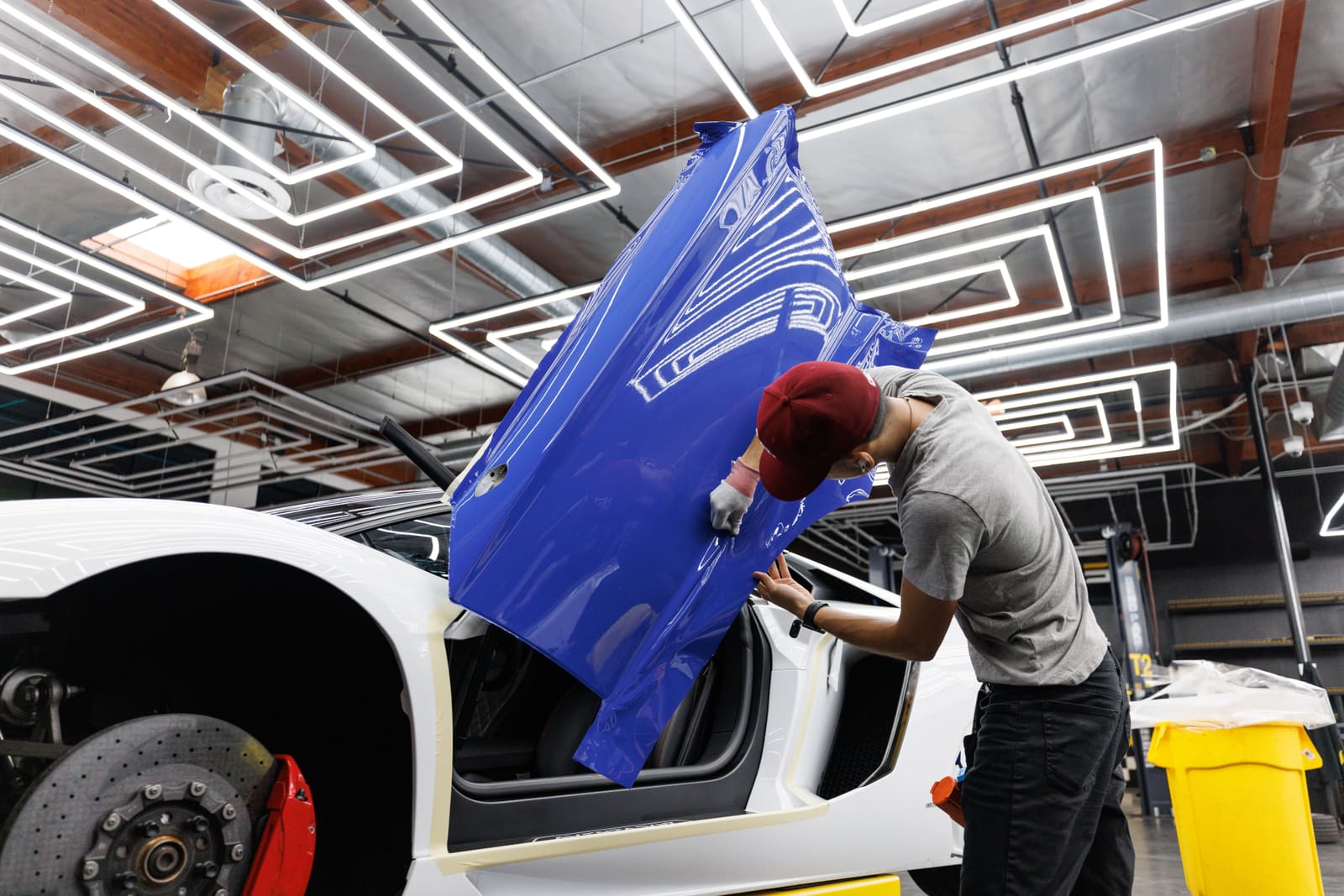
Color-shift is the showiest end of the premium tier, a wrap that changes hue depending on the light and the angle you view it from. It’s a specialty film with a specialty price: expect to pay toward the top of the $4,000–$6,500 range once you add the install time these finishes take over a standard gloss or satin.
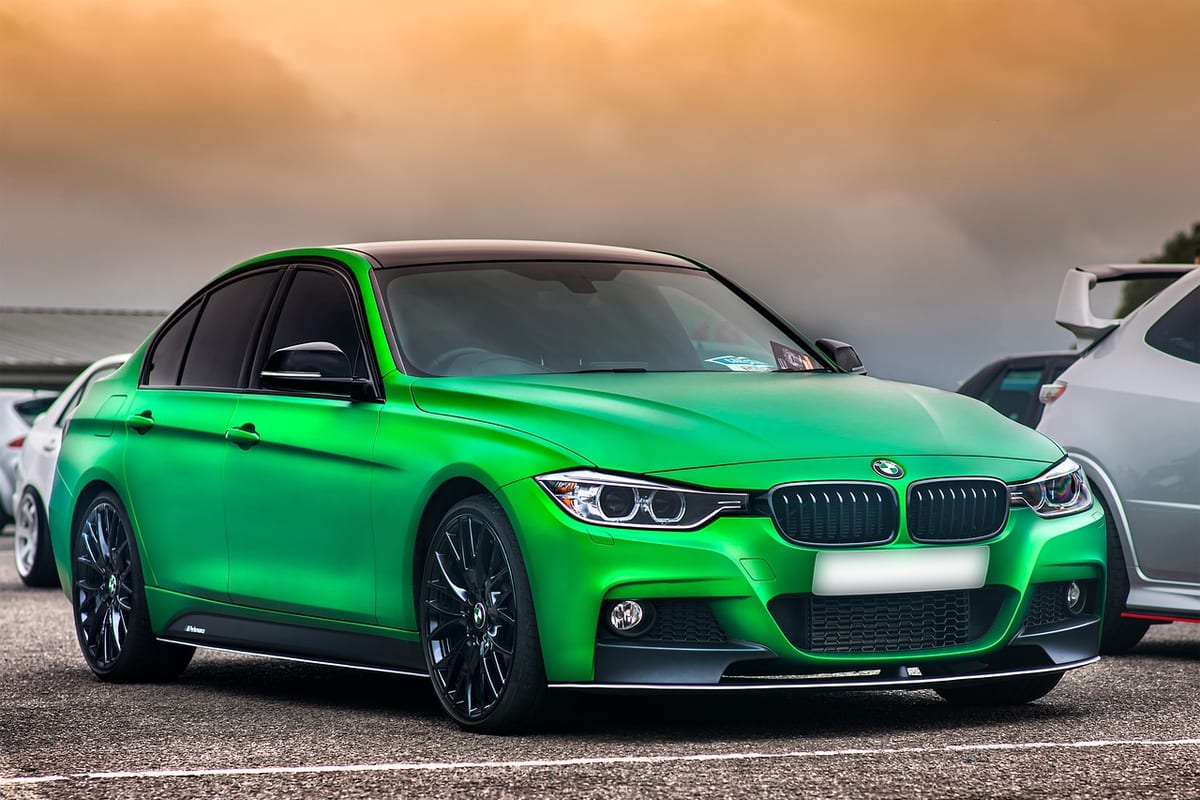
Two things bite people on a wrap quote. First, the paint underneath has to be clean and sound, vinyl won’t hide chips or rust, and on bad paint it can pull clear coat when removed later. Second, removing an old, sun-baked wrap is real labor and adds $500–$1,500 before the new film even goes on. Factor both before you compare shops.
Cast vinyl vs. calendered vinyl, the difference that decides longevity
Not all wrap film is built the same way, and the manufacturing process behind it is the real predictor of how long a wrap lasts, more than the brand name on the quote. Cast vinyl is made by pouring a liquid mixture onto a casting sheet and curing it through ovens, which produces a thin, dimensionally stable film that conforms to curves without fighting back or shrinking over time. Calendered vinyl is made faster and cheaper, by squeezing a thicker vinyl compound through heated rollers, and it’s more prone to shrinking and cracking as it ages. In practice, calendered wraps commonly fail within 2 to 3 years while cast films, the kind reputable shops actually use for a full color change, hold up 5 to 7 years. 3M’s 2080 series, one of the most common cast films on the market, is backed by a manufacturer warranty of up to 8 years on vertical surfaces (doors, fenders) but only 3 years on horizontal surfaces (hood, roof), because a horizontal panel takes far more direct UV and weather exposure over the same span of time. If a shop won’t tell you whether they’re using cast or calendered film, ask directly, it’s the single biggest factor in whether your wrap looks good in year one or year four.
Does wrapping your car mean telling the DMV?
It depends entirely on your state, and it’s worth checking before you commit to a full color change. California requires owners to report a significant color change to the DMV within 10 days of the modification. Texas also requires reporting a color change, though without a specific filing deadline. Several other states, Missouri, Alaska, and Wisconsin among them, only require notification if the change is considered permanent, which typically excludes a removable vinyl wrap. Colorado generally treats a wrap as a temporary alteration and doesn’t require DMV notification at all, and Florida and Arizona commonly don’t require it for a decorative wrap either. None of this is uniform, so a quick call to your own state’s DMV before a full wrap, especially a dramatic color change, saves a surprise registration mismatch later. It’s also worth a call to your insurer: a wrap changes your car’s visual description on file, and some insurers want that noted even when the DMV doesn’t require it.
Within that cast-film lifespan, your own habits still move the number. Garage-kept cars and gentle hand washing push toward the top of the range; daily sun exposure and automatic car washes push toward the bottom. Matte and specialty finishes are also a little more delicate than a standard gloss and show scuffing sooner. When it’s finally time for something new, a good cast-vinyl wrap peels off cleanly and leaves the paint underneath the way it was, calendered vinyl is far more likely to leave adhesive residue or take clear coat with it.
DIY accent panels are a fair weekend project; a full DIY wrap is not, and a bad one looks worse than the paint it covers and can trap moisture underneath. The install is most of what a good shop charges for. Run the calculator for your coverage, finish, and vehicle, then use the DIY-vs-pro panel to decide where the line is for you.
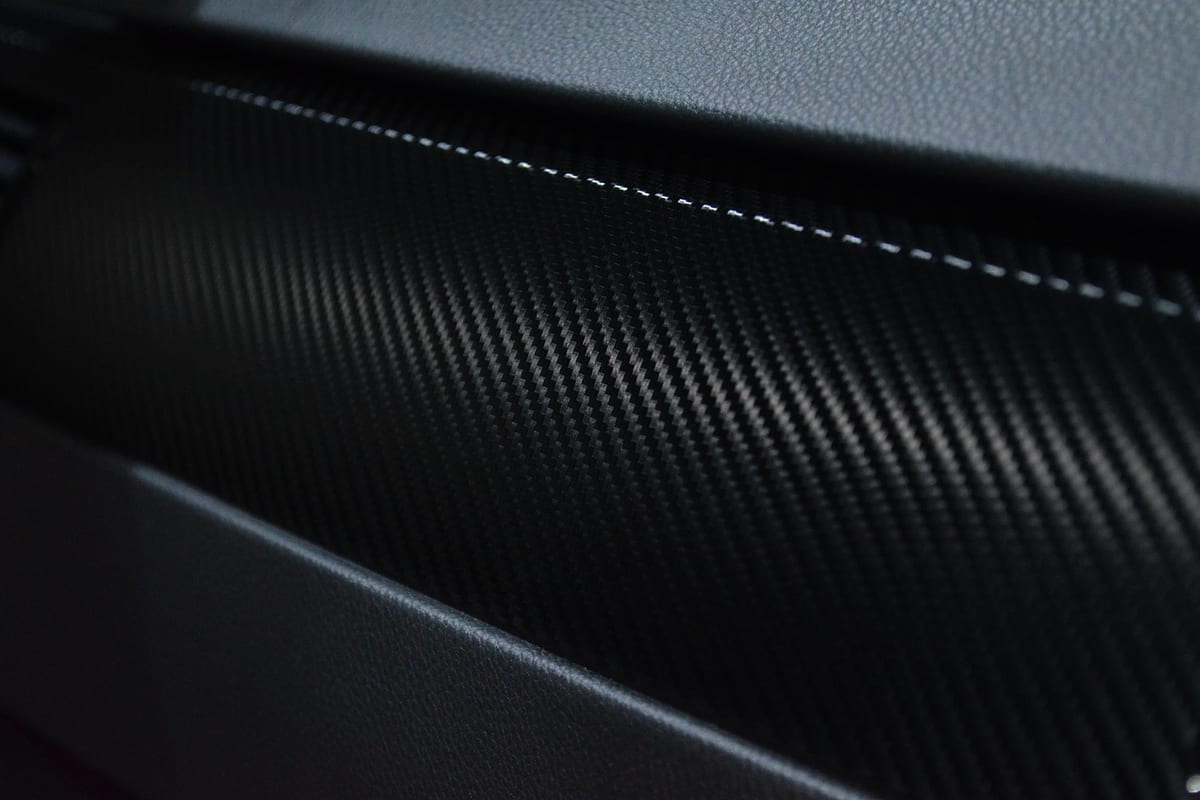
Carbon fiber is the other specialty film worth calling out on its own: a textured vinyl that mimics the woven look of real carbon-fiber panels at a fraction of the cost. It reads best on smaller accent pieces, trim, mirror caps, a hood, where the weave pattern actually catches the light.
What moves the price
| What changes the price | Effect on cost |
|---|---|
| Coverage | A partial accent wrap is $300–$1,000; a full color change is $2,000–$6,000+. Coverage is the first lever. |
| Vehicle size and shape | Trucks, SUVs, and cars with deep curves need more film and trickier installs than a compact sedan. |
| Finish | Standard gloss and satin are cheapest; color-shift, chrome, and carbon-fiber films cost more in material and labor. |
| Paint condition underneath | Vinyl needs clean, smooth paint to stick, chips and rust may need prep first, and removal later can pull bad paint. |
| Removing an old wrap | Stripping a sun-baked previous wrap and cleaning off adhesive adds $500–$1,500 before the new film goes on. |
DIY or hire a pro?
A full DIY wrap is one of the hardest jobs an enthusiast can attempt, bumpers, mirrors, and door handles eat material and patience, and a botched wrap looks worse than the paint it covers. Flat accent panels like a hood or roof are a reasonable first project. For a full color change, the install is most of what you're paying a shop for, and it shows.
- Time
- A full weekend or more
- Skill
- Advanced, bumpers and curves defeat most first-timers
- Worth it?
- Tough to match a pro. Best for budget touch-ups, not the full job.
Budget DIY alternatives
As an Amazon Associate, Detailing Cost earns from qualifying purchases.
- Done in a controlled shop, not your driveway
- The result you're paying for, with a workmanship warranty
- No wasted product or do-overs if it goes wrong
Get two or three quotes. The cheapest is rarely the one to pick for vinyl wrap.
Is vinyl wrap worth it?
A wrap is worth it when you want a color change without repainting and the option to go back, it protects the factory paint underneath and is reversible at resale. As a cheap way to freshen a car, it isn't; a quality full wrap costs as much as serious paint correction plus a coating, and a bad budget wrap ages badly.
Worth it if you…
- Want a new color but plan to sell later in factory paint
- Want to protect the original paint under the film
- Run a business and want vehicle branding
- Like a finish paint can't easily do, matte, satin, color-shift
Skip it if you…
- Just want the car to look cleaner, that's correction, not vinyl
- Your paint is chipped or peeling under the wrap area
- You're chasing the cheapest possible refresh