Window Tint cost · reviewed July 2026
Window Tint Cost (2026): Car Tinting Prices by Film
Car window tint costs about $150–$900 in 2026 depending on film and vehicle. Price dyed, carbon, and ceramic tint, plus windshield and removal add-ons.
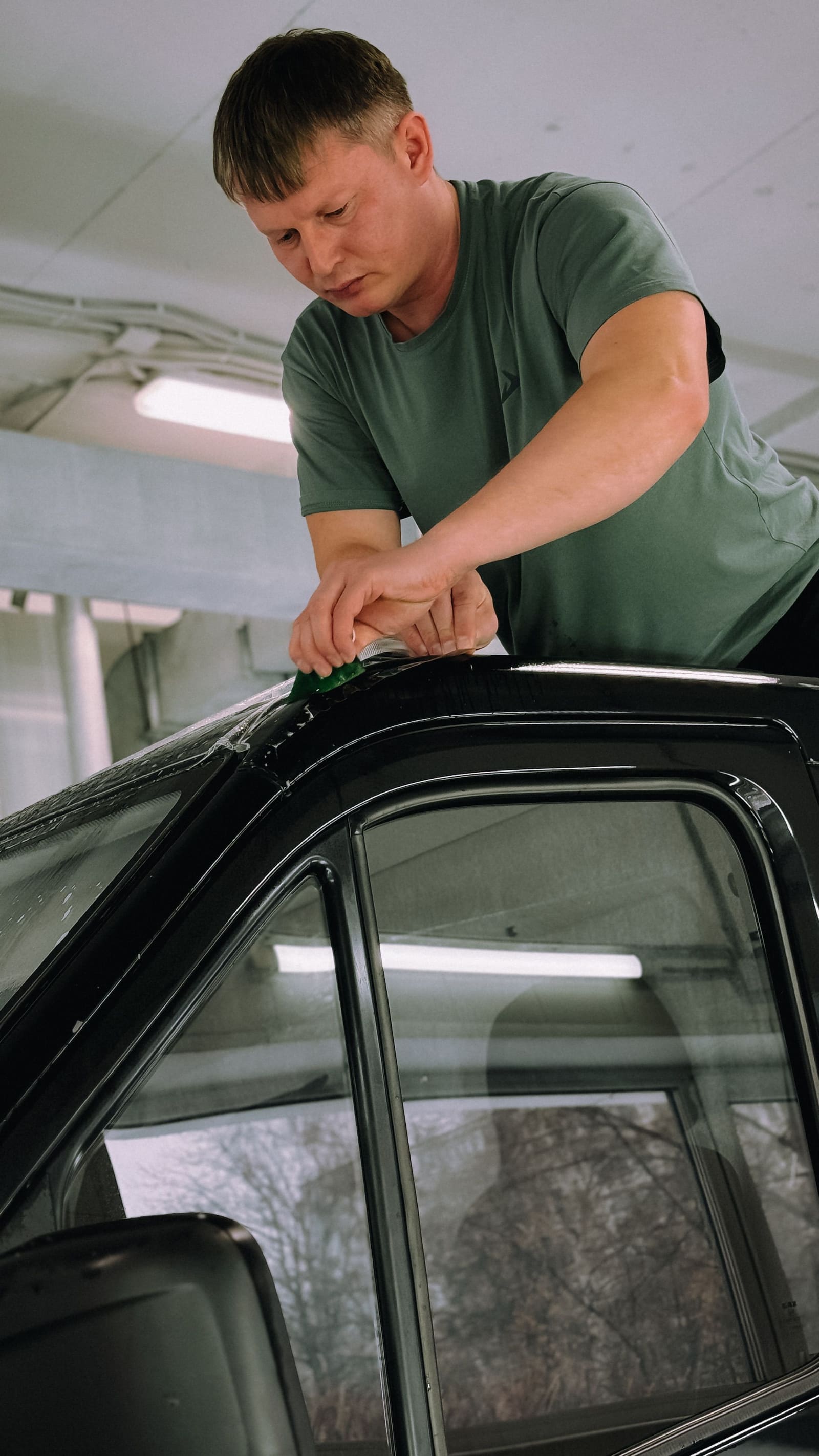
Jump to the calculatorInstalling window tint is a squeegee-and-patience job: the film goes on wet and gets worked flat before it dries. Photo: Pexels.
Estimate your window tint cost
Pick your vehicle and tier. The estimate updates as you go. No email, no quote form.
Estimated window tint cost
– –
Most pay around – for a full-car tint.
How this estimate is built
Pro install, parts + labor. Costs reviewed July 2026. Your real quote will vary by shop and vehicle.
Window tint is the most-searched protection job for a reason: it’s cheap enough to be an impulse decision and confusing enough that people overpay. The price is mostly one choice, which film, and the rest is how many windows your car has and whether there’s old tint to strip first, stripping bubbled or purple film adds $50–$200 in labor before the new film goes on.
There are three film tiers that matter. Dyed film is the budget option at $150–$250 for the car; it darkens the glass and looks fine on day one, but it blocks little heat and tends to fade or turn purple within 3 to 5 years. Carbon film costs more, $250–$450, never fades, and holds up 7 to 10 years with some heat rejection and a flat, matte look. Ceramic film is the premium pick at $400–$800: it rejects the most infrared heat, lasts well over a decade with basic care, and blocks over 99% of UV while staying clear enough that your phone, GPS, and radio still work. Ceramic runs three to five times the price of dyed, and in a hot climate it earns it.
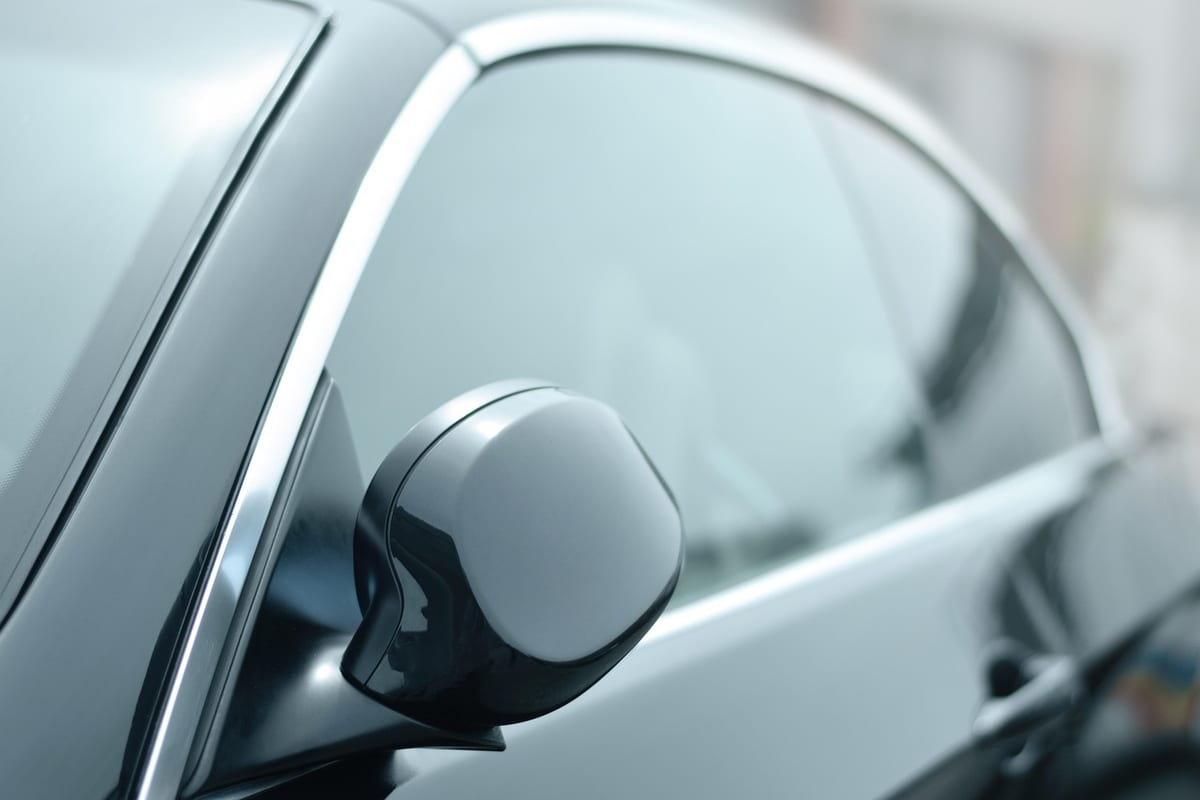
Curved, complex rear glass is where film tier matters less than installer skill. A three-row SUV’s steeply raked back window has to be heat-shrunk and laid without a seam, and that’s harder on factory tint than it is on a flat front door, which is part of why removal and re-tint quotes vary so much shop to shop.
Ceramic vs. carbon: what the heat-rejection numbers actually mean
“Ceramic blocks more heat than carbon” is true, but the size of that gap is bigger than most people expect, and the marketing numbers on window film boxes aren’t always measuring the same thing. Ceramic films use microscopic ceramic particles instead of dye or metal to filter light, and premium ceramic products commonly claim 88% to 98% infrared rejection, 3M’s Crystalline line advertises up to 98% IR rejection with 99.9% UV block, while LLumar’s ceramic IRX line is rated up to 88% IR rejection depending on the specific product. Carbon film, the mid-tier option, rejects meaningfully less heat, commonly cited anywhere from roughly 35% to 62% infrared rejection depending on the manufacturer and how they measure it. That range is wide on purpose: IR-rejection testing isn’t standardized across brands, so a “60% heat rejection” sticker from one manufacturer and a “60%” sticker from another aren’t necessarily measuring the same wavelength band the same way. Ask an installer for the specific film’s data sheet rather than trusting a single percentage on a display board, and compare products, not just brand names, when you’re deciding whether the ceramic upcharge over carbon is worth it for your climate.
Legal tint limits vary by state, and by vehicle type within a state
VLT (visible light transmission) laws are set state by state, and they’re stricter than most people assume, especially on front side windows. A few things stay true almost everywhere: the legal percentage is measured on the glass and film together, not the film alone, since factory glass already blocks some light before any aftermarket film goes on, and rear windows are usually far less restricted than the windshield and front doors. Here’s what four representative states actually require, verified against each state’s own DPS, DMV, or statute:
| State | Front side windows | Rear side / rear window | Notes |
|---|---|---|---|
| California | 70% VLT minimum (combined); aftermarket film itself must read about 88% VLT or higher since tinted factory glass already eats into that margin | No state limit | Reflective or mirrored tint is banned; medical exemption available with a physician’s certificate |
| Texas | Must allow more than 25% VLT (combined) | Rear side windows are exempt from any state limit; rear window needs 25%+ VLT unless the vehicle has dual outside mirrors, in which case there’s no limit | Red, amber, and blue tint banned on the windshield strip |
| Florida | At least 28% VLT, no more than 25% reflectance | Governed by a separate statute section; confirm with a local shop before going dark on the back glass | Measurement tolerance of ±3% |
| New York | 70% VLT minimum, same for every vehicle type | Sedans and passenger cars: 70% VLT minimum on rear windows too; SUVs, vans, and trucks: no limit on rear side or rear windows | Measurement tolerance of ±7%; checked annually with a photometer at inspection |
The vehicle-type split in New York is the detail people miss most: a dark rear window that’s perfectly legal on an SUV is a ticket on a sedan, same state, same shop, different rules. Texas’s 25% front-window limit and California’s 70% are both real, current law, not a typo, that gap between states is genuinely that large. Before you pick a film percentage, check your own state’s current front-window rule directly (not a national “average”) and confirm the shop knows it too, “as dark as you want” from an installer is the reddest flag on this whole page.
One more thing worth checking on a quote: the warranty. A lifetime guarantee against bubbling and fade usually means better film and a steadier installer, and it’s a good tell for whether a shop stands behind its own work.
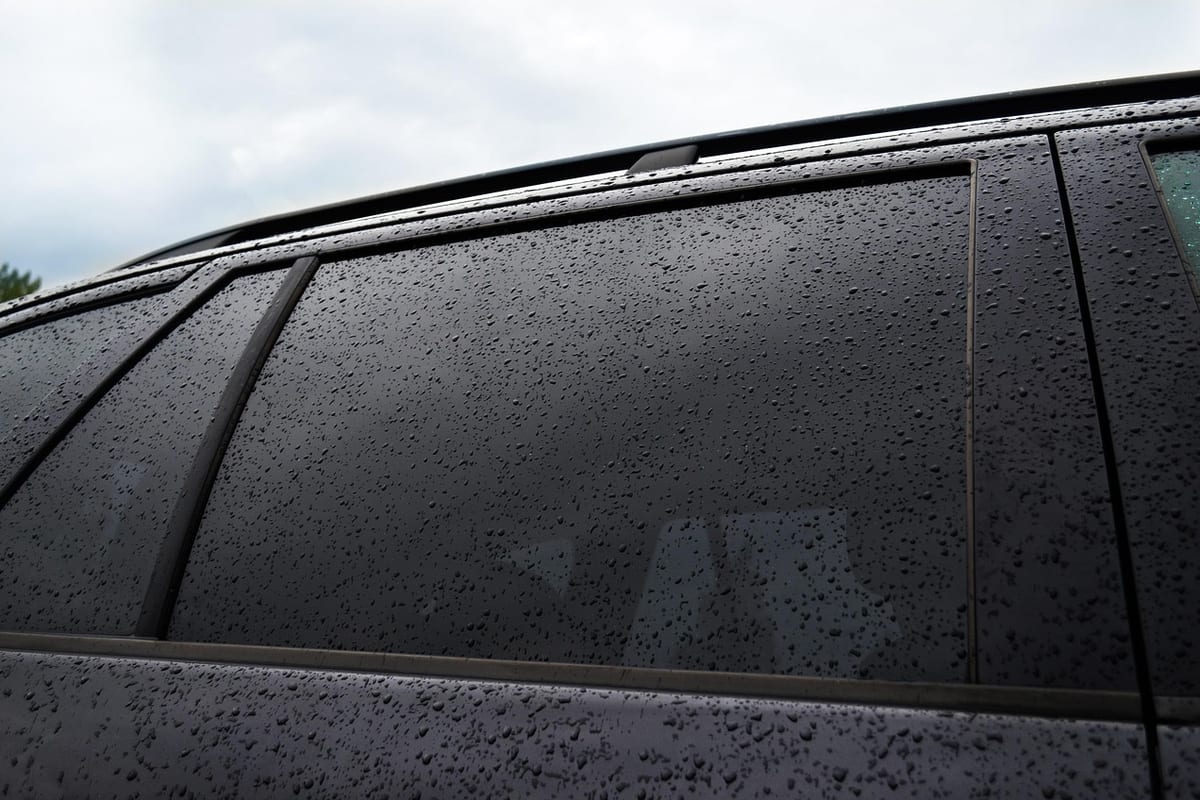
A shop that’s confident in its work won’t mind rain on the schedule either. Fresh tint needs a few days to cure before you roll the windows down, but the film itself is sealed the moment it’s applied, so a wet drive home the same day doesn’t hurt it.
DIY tint is possible and cheap, but the curved rear glass and a single speck of dust are where home jobs go wrong. Since a shop tints the whole car with a warranty for not much more than a kit, most people let a pro do it. Run the calculator for your film and vehicle, then check the DIY-vs-pro panel to decide.
What moves the price
| What changes the price | Effect on cost |
|---|---|
| Film type | The biggest lever. Basic dyed is $150–$250; premium ceramic is $400–$800 for the heat and UV rejection. |
| Number of windows | A two-door coupe has fewer windows than a three-row SUV, so it costs less to do the whole car. |
| Removing old tint | Stripping bubbled or purple film and cleaning off adhesive adds $50–$200 of labor before the new film goes on. |
| Curved glass and complex rear windows | Steeply curved back glass takes more skill to heat-shrink and lay without seams, nudging the price up. |
| Warranty and shop reputation | A lifetime warranty against bubbling and fade is worth paying for, it usually signals better film and installers. |
DIY or hire a pro?
Precut kits make DIY tint cheap, and on flat side windows a careful first-timer can get a decent result. The hard parts are the curved rear glass, which has to be heat-shrunk, and dust, one speck under the film and you start over. For $150–$250 a shop does the whole car with a warranty, which is why most people let a pro handle it.
- Time
- Most of a day
- Skill
- Advanced, bubbles and creases are easy to create
- Worth it?
- A real option if you've got patience and a clean space.
What you'll need
As an Amazon Associate, Detailing Cost earns from qualifying purchases.
- Done in a controlled shop, not your driveway
- The result you're paying for, with a workmanship warranty
- No wasted product or do-overs if it goes wrong
Get two or three quotes. The cheapest is rarely the one to pick for window tint.
Is window tint worth it?
Ceramic tint is worth the premium if you live somewhere hot or sit in traffic with the sun on you, the heat and UV rejection is a real, daily difference, not just a look. If you mostly want a darker, cleaner appearance and park in shade, carbon film gives you the no-fade look for less.
Worth it if you…
- Live in a hot, sunny climate
- Park outside or commute into the sun
- Want UV protection for your skin and interior
- Keep cars long enough for ceramic to pay off
Skip it if you…
- Mainly want the look on a budget, carbon does that
- Park in a garage and rarely bake in traffic
- Plan to sell soon, where dyed film is fine